June 17, 2026
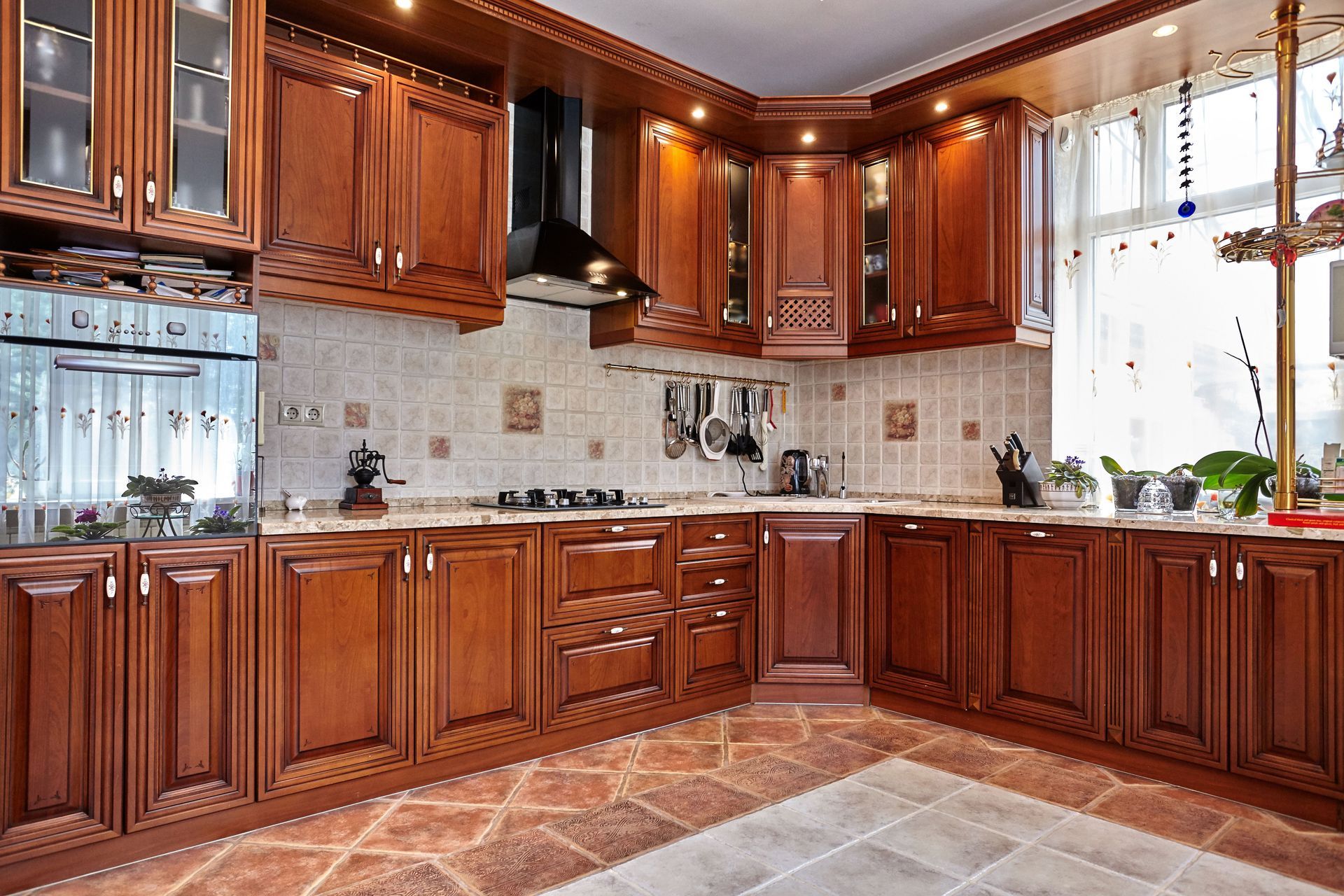
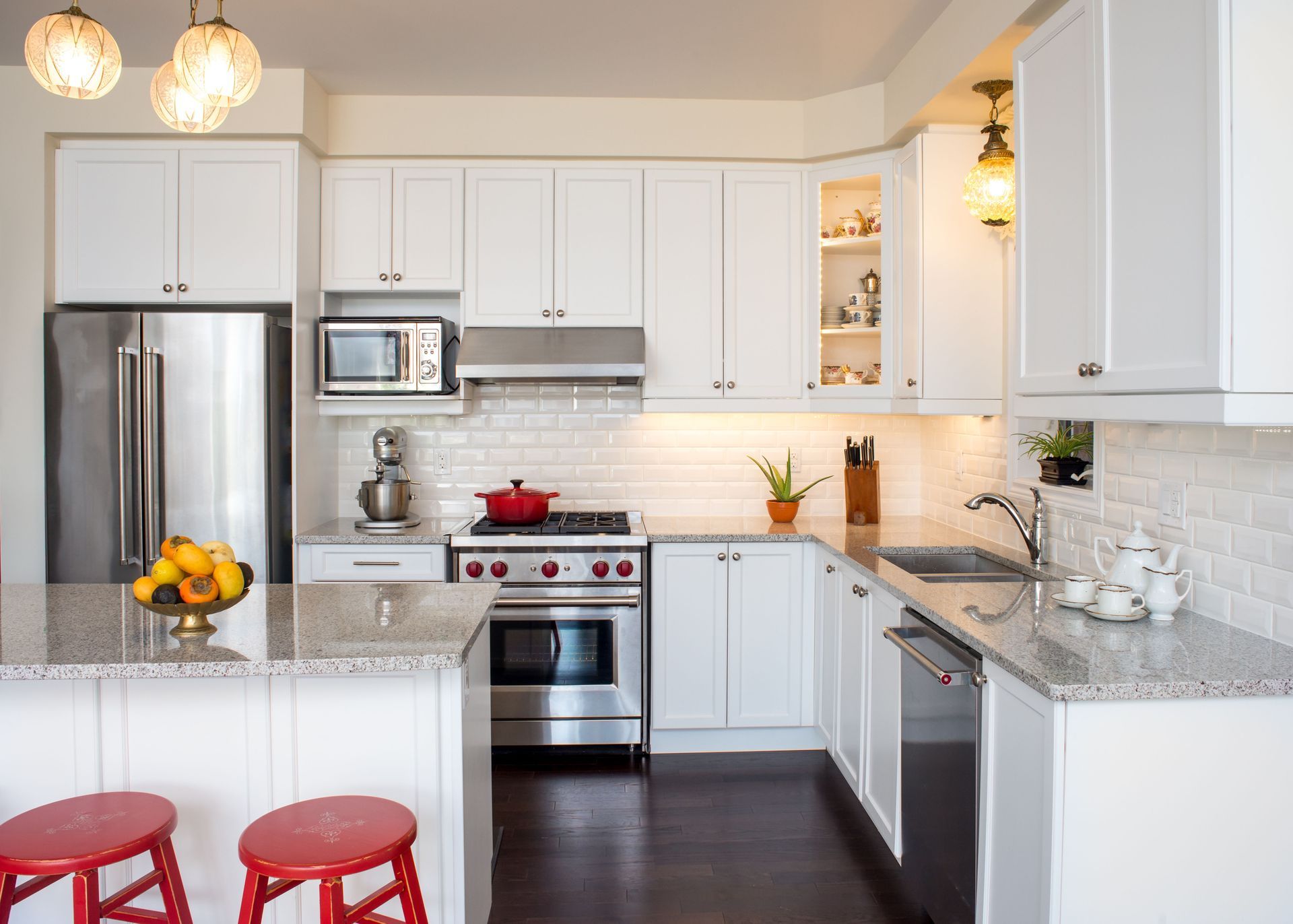
Cabinets play a major role in both the appearance and functionality of a kitchen. They provide essential storage, support organization, and contribute significantly to the overall design of the space. Because cabinets experience daily use, homeowners often want to understand what factors influence how long newly installed cabinetry will remain durable and visually appealing over time.
The lifespan of cabinetry depends on several important elements, including material quality, environmental conditions, construction methods, and installation precision. Even high-quality cabinetry can experience premature wear if installation is not completed correctly or if the kitchen environment places excessive strain on the materials. Professional kitchen cabinet installation helps create a stable foundation that supports long-term durability and functionality.
Homeowners investing in updated kitchens frequently prioritize cabinetry because it influences both usability and property presentation. Cabinets that are properly selected and professionally installed often maintain their structural integrity and appearance for many years. Understanding the factors that affect cabinet lifespan helps homeowners make more informed renovation decisions before beginning a remodeling project.
Evaluating Material Quality Before Selecting Cabinets
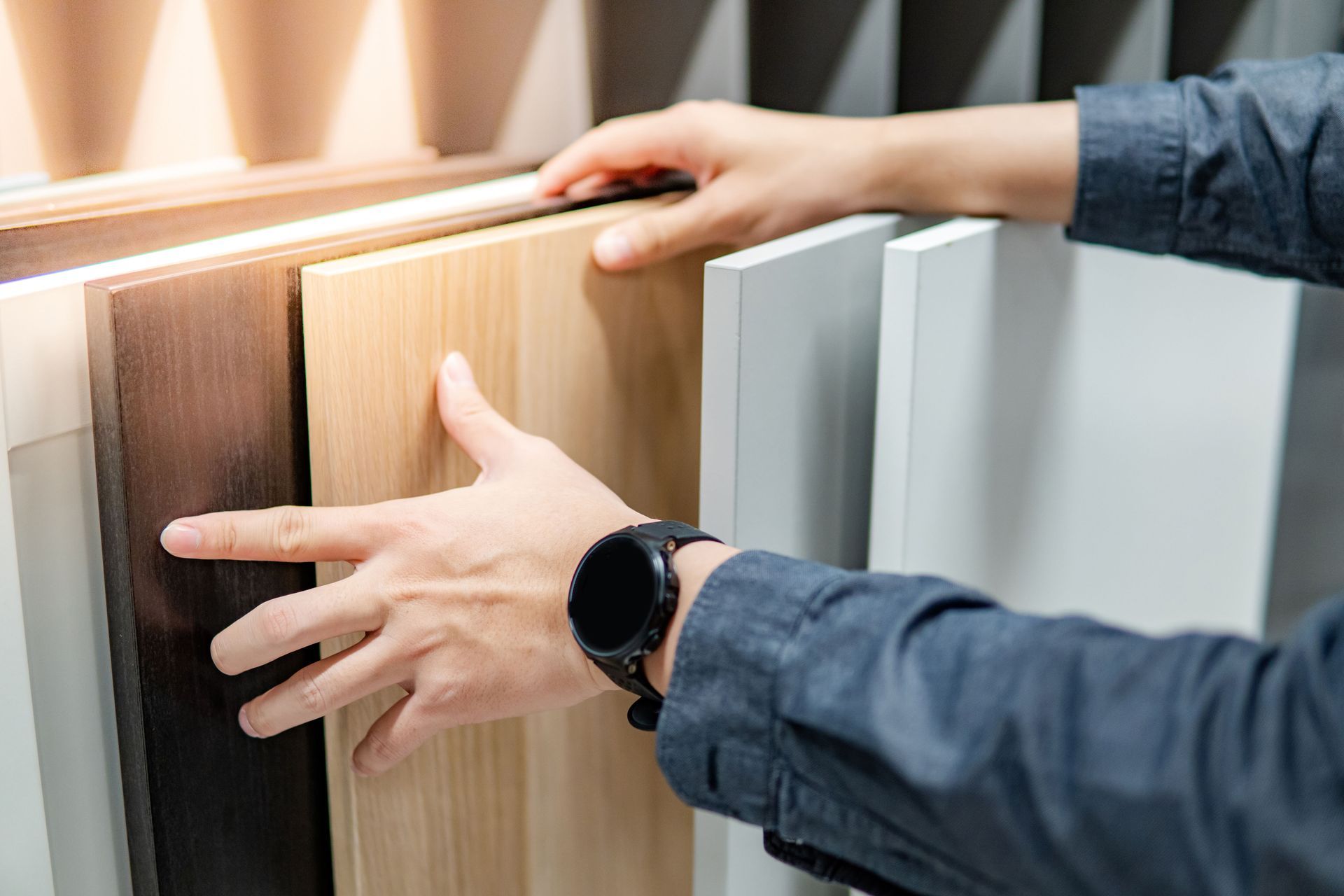
One of the most important factors affecting cabinet longevity is the quality of the materials used during manufacturing. Cabinets are available in a wide range of materials, including solid wood, plywood, medium-density fiberboard, particleboard, and laminate products. Each option offers different levels of durability, moisture resistance, and structural stability.
Solid wood and plywood cabinets are often valued for their strength and long-term performance, particularly in kitchens that experience frequent use. Lower-density materials may be more vulnerable to moisture exposure, surface wear, or structural weakening over time. Understanding how different materials respond to daily conditions helps homeowners choose products that align with their long-term expectations.
Professional kitchen cabinet installation also helps protect material performance by ensuring cabinets are positioned and secured correctly from the start. Even durable materials can experience stress if cabinets are improperly aligned or unevenly supported. Careful installation contributes significantly to preserving cabinet stability and appearance throughout years of use.
Improving Structural Stability With Professional Installation
Cabinet lifespan is heavily influenced by the precision of the installation process itself. Proper alignment, leveling, and anchoring help ensure that cabinet doors, drawers, and structural components function smoothly over time. Poor installation techniques can lead to uneven weight distribution, shifting, or unnecessary strain on cabinet frames.
Professional installers carefully evaluate wall conditions, floor leveling, and cabinet spacing before beginning the installation process. Kitchens often contain structural variations that require adjustments to maintain consistent alignment throughout the room. Attention to these details helps create a stronger and more stable cabinetry system overall.
Professional kitchen cabinet installation also supports better long-term functionality. Doors that are improperly aligned may begin rubbing or sagging over time, while drawers may become difficult to open if cabinet frames shift. Accurate installation reduces these risks while helping preserve smooth daily operation throughout the kitchen.
Managing Moisture Exposure Throughout Daily Use
Moisture is one of the most common factors contributing to cabinet deterioration in kitchens. Steam from cooking, water splashes near sinks, humidity fluctuations, and appliance condensation can all affect cabinet materials over time. Without proper protection and installation, moisture exposure may lead to swelling, warping, discoloration, or weakening of structural components.
Professional installers understand how to position cabinets appropriately around plumbing fixtures, dishwashers, and ventilation systems to help reduce unnecessary moisture-related stress. Proper spacing and secure fitting help minimize gaps where moisture may accumulate. Careful installation techniques support stronger long-term cabinet performance in moisture-prone areas.
Kitchen cabinet installation also involves evaluating airflow and environmental conditions within the space. Kitchens with poor ventilation may experience higher humidity levels that gradually affect cabinet finishes and materials. Addressing these concerns during the renovation process helps protect cabinetry from premature wear.
Supporting Daily Functionality With Durable Hardware
Cabinet hardware plays an important role in determining how well cabinetry performs over time. Hinges, drawer slides, handles, and soft-close systems experience constant movement during daily use. Lower-quality hardware may loosen, wear down, or lose alignment more quickly under repeated stress.
Professional installers evaluate hardware compatibility and ensure components are mounted securely to support smooth operation. Properly aligned hinges and drawer tracks help reduce strain on cabinet doors and storage compartments during use. Consistent movement and secure attachment contribute to better long-term durability.
Kitchen cabinet installation also includes adjusting hardware for balanced operation after the cabinets are secured in place. Even small alignment inconsistencies can affect how drawers and doors function over time. Professional adjustments help create smoother performance while reducing unnecessary wear on moving components.
Preserving Surface Finishes Through Environmental Control
Cabinet finishes contribute significantly to the appearance and protection of kitchen cabinetry. Painted surfaces, stains, laminates, and protective coatings help shield cabinet materials from moisture, grease, sunlight, and everyday contact. Environmental conditions within the kitchen can influence how well these finishes hold up over time.
Excessive sunlight exposure may contribute to fading or discoloration, particularly near windows or glass doors. Heat generated from ovens, stovetops, and nearby appliances can also affect finish durability if cabinets are not installed with proper spacing and ventilation considerations. Professional planning helps reduce these risks while preserving visual consistency.
According to Realtor.com, a minor kitchen remodel, which includes replacing cabinet fronts, drawer fronts, and hardware, will earn around a 70% ROI. This demonstrates how cabinetry improvements continue to play an important role in both functionality and long-term property appeal. Maintaining cabinet appearance contributes significantly to the overall value and presentation of the kitchen.
Reducing Structural Stress With Proper Weight Distribution
Kitchen cabinets are designed to support significant weight from dishes, cookware, pantry items, and appliances. Over time, uneven loading or improper installation may place excessive strain on shelves, mounting points, and cabinet joints. Structural stress can eventually contribute to sagging, separation, or reduced functionality.
Professional kitchen cabinet installation helps distribute cabinet weight evenly across walls and support structures. Secure anchoring techniques help cabinets maintain their alignment even under frequent daily use. Proper structural support is especially important for upper cabinets that hold heavier items over extended periods.
Installers also evaluate how cabinet layouts influence usability and weight management within the kitchen. Well-designed storage configurations help reduce concentrated stress on individual cabinets while improving overall organization. Thoughtful planning contributes to stronger long-term cabinet performance and easier daily use.
Maintaining Cabinet Alignment Through Seasonal Changes
Temperature and humidity fluctuations can gradually affect cabinet materials and structural alignment throughout the year. Wood-based materials naturally expand and contract in response to environmental changes, which may influence door spacing, drawer movement, and overall cabinet stability. Kitchens often experience greater environmental fluctuations due to cooking heat and moisture.
Professional installers account for these conditions when positioning cabinets and adjusting spacing during installation. Proper allowances help cabinets maintain more consistent alignment despite seasonal environmental changes. Attention to these details reduces the likelihood of shifting, sticking, or uneven gaps developing over time.
Kitchen cabinet installation completed with precision also helps minimize the effects of settling within the home itself. As homes naturally shift and settle over the years, cabinets that were installed securely and evenly are often better equipped to maintain their structural integrity. Long-term stability begins with careful installation practices.
At ACV Kitchens LLC, we are committed to delivering professional cabinetry solutions designed to support long-term beauty, organization, and functionality. Our team takes pride in providing precise
kitchen cabinet installation services that help homeowners create durable and visually appealing kitchen spaces. We work closely with our clients throughout every stage of the renovation process to ensure quality workmanship and dependable results tailored to their goals.